Childhood Apraxia of Speech
“Childhood apraxia of speech (CAS) is a neurological motor speech disorder that makes it hard for children to speak. Children with the diagnosis of apraxia of speech generally have a good understanding of language and know what they want to say. However, they have difficulty learning or carrying out the complex movements that underlie speech. There are often co-occurring challenges that can last into adulthood in the areas of residual speech errors, language, reading/literacy, academics, and social skills. There is no cure, but with intensive and appropriate speech therapy, most children learn to produce intelligible speech and can overcome many of their challenges.” ~Apraxia Kids
For information and resources, please visit Apraxia Kids!
WebMD: Apraxia is a neurological condition that makes it difficult to make certain movements, even though you have the desire and ability to do so. There are various forms of Apraxia (See Descriptions below). Childhood Apraxia of Speech is a specific form of Apraxia that impacts speech motor movements and despite it’s name of “childhood,” it is a lifelong diagnosis that impacts individuals throughout their lifetime. Early interventions and treatment is critical to support learning and development of skills.
Verbal Apraxia (Apraxia of Speech)
A specific speech disorder characterized by motor planning difficulties. May impact articulation, fluency, pragmatics, and overall intelligibility of speech. Includes CAS as well as Acquired Apraxia resulting from an injury or medical condition such as a stroke.
Oral Apraxia (Oral Motor)
A neurological disorder that results in the difficulty of coordinating non-speech movements. Oral apraxia often impacts feeding skills, ability to imitate, and can impact speech as well.
Dyspraxia (Developmental Coordination Disorder)
Sometimes referred to as whole body apraxia, global apraxia, or clumsy child syndrome. Dyspraxia is a motor planning disorder that has an impact on the overall motor movements of the entire body. Individuals with Dyspraxia often have gross motor movement difficulties, fine motor movement difficulties, and/or orienting their bodies in space appearing awkward or clumsy. There can also be an impact on memory, processing, and cognitive skills.

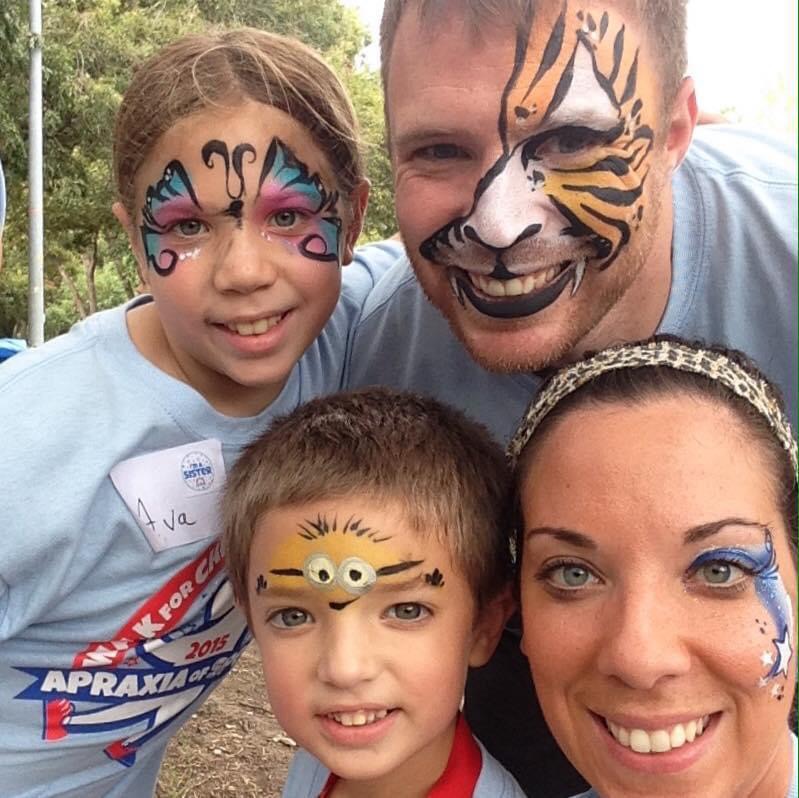
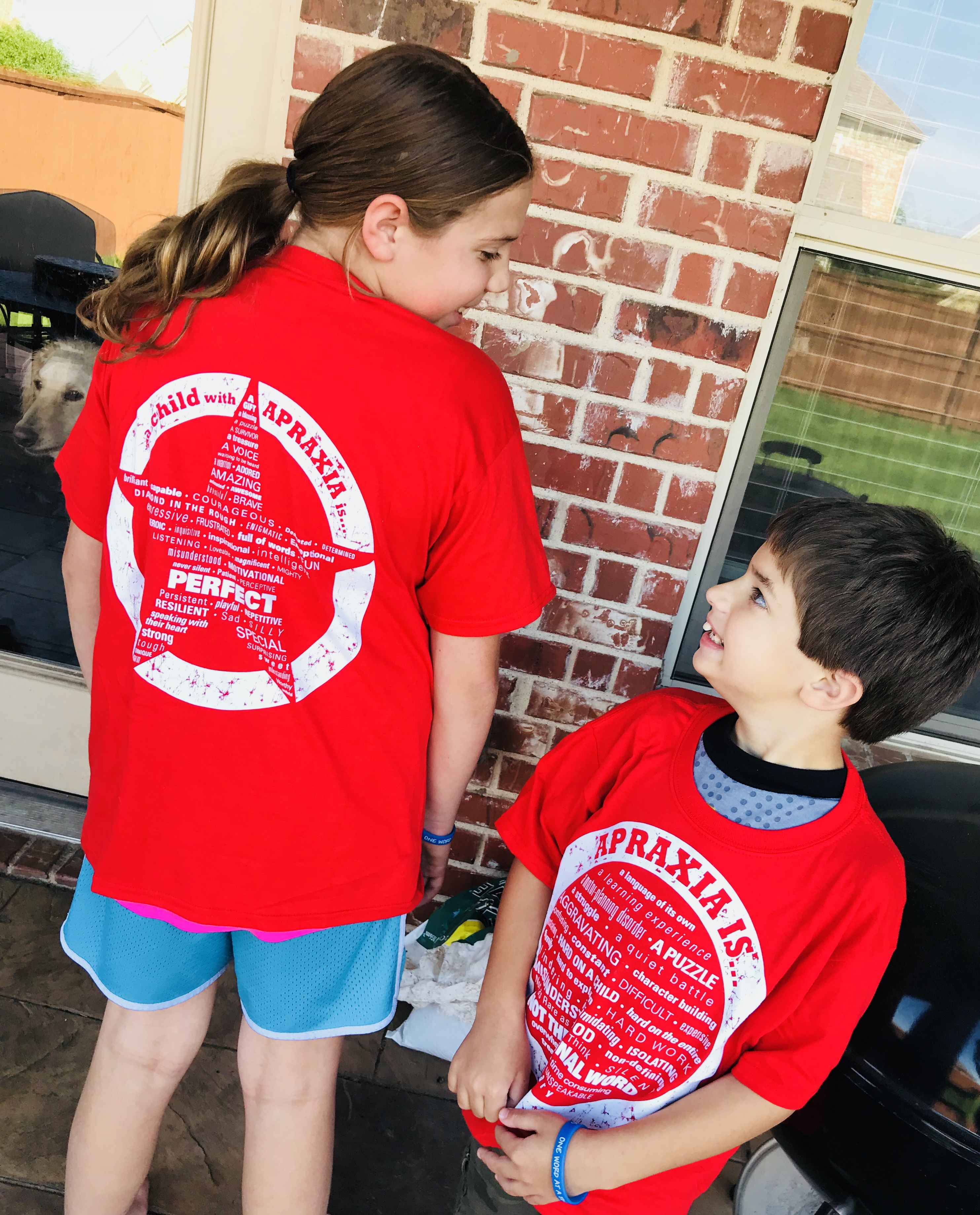
We have had the opportunity to participate in several walks throughout the years and been blessed with family and friends joining us for support. It is a great time to connect with the community and meet families who are traveling the journey alongside us.
Disclaimer: This page is for informational purposes only. We are not medical professionals nor speech language pathologists. If you have concerns regarding your child’s development, please speak to your pediatrician or contact an SLP to obtain further evaluation.
 Apraxia Adventures: Connect, Support, Inspire